Successfully Managing Stress in Your Career

Your career and wellness work best together, but this is often not the case. Many people find themselves short on time and stressed with demanding careers, family obligations, and other commitments. Obtaining wellness in your career is also often something that many people put on the back burner. When this happens, individuals are often on the move towards frequent burnout, fatigue, and other health ailments. Stress can create havoc in your body, decision-making abilities, concentration, relationships, and more.

Striving to make wellness a part of your daily life that is not time-consuming is key. Starting small to add wellness to your daily life is a good place to start. It could be as simple as writing out three things you are thankful for, a 5-minute meditation, or a short yoga or workout routine. Wellness is more about taking care of your mind and body than it is about the type of stuff you do. When starting you can do things that interest you, but if you find that they don’t work for you then you can move on to activities that do work for you. Also, keep in mind that meditation and workout routines take time to incorporate into your life and become routine.

Let’s look at some of the ways you can increase your well-being daily:

Build relationships and connect with others – As humans, we are made to be in relations with others. Whether it is a friend, a significant other, co-workers, or acquaintances, we are made to connect and have relationships of various sorts. Try to make a genuine connection with as many people as possible during your day. Getting to know other people on a more personal level, going out for coffee, or joining a workout group are all ways to build yourself (and others) up. Think about how you felt the last time you had a good conversation with a friend. Remember to take breaks and meet up with people. It will give your mind a much-needed break.

Learn a new skill for fun – We all take professional development at work. While this is an integral part of progressing in your profession. Can you remember the last time you took a workshop or learned a new skill for the sake of a hobby? Things like painting, crafts, jewelry making, photography, dance classes, etc. are all ways to get creative. Search your community and see where there are events that you can join to unwind and do something new. It doesn’t have to be an ongoing thing; it can also be an event that is just for one day. The point is to get out and try something new while enjoying yourself!

Practice gratitude and mindfulness – These two seem to come up together and tend to be a popular topic these days. But they are important practices, and they work. People who just simply have a daily practice of focusing on what they are grateful for (or writing it down) tend to have a more positive outlook on life. Mindfulness is about being in the present here and now. Focusing on the task at hand and not worrying about anything else. For example, focusing on writing this article, or when grocery shopping focusing on the items around you and not what is in the next aisle. Being mindful is about slowing down and truly focusing on what is in front of you! Not ahead and not behind.

Staying active – Like a vehicle, if you do not keep it maintained it will fall apart. Well, your body is no different. Not keeping some sort of activity in your body – even just a 30-minute walk – can make a large difference in how you feel and how your body functions. As humans we were made to be active, this doesn’t mean that you have to attend HITT training several times a week, it just means to keep your body active in anything from stretching and walking to MMA workouts! Each person is different and will find a workout that works for them. Keeping active is good for wellness and your mind, it releases endorphins that keep you in a positive state of mind.

Wellness means different things to different people which can range from spirituality to your physical wellbeing and everything in between.  Incorporating a few of these ideas or all of them into your life is a great way to start moving yourself in a more positive direction.

Interested in learning more about your career and wellness? Connect with me on the contact page or Instagram @BlissPlusYou.
How to Find the Right Coach

Coaching is popular these days. You can find coaches on everything from career coaching to nutrition coaching. As a coach, I tend to see a lot of advertising for coaching and in this advertising, there are many promises that coaching offers. But how reputable are these offers and how do you choose a coach who is right for you?

Defining What Coaching Is

A coach is not a therapist nor an advice giver. The job of a coach is to help you take the steps to determine your outcome. Coaches help to guide you through your journey and will not make decisions for you. Going through the coaching process is having someone to bounce and discuss ideas with, to gain insight into your endeavours. When hiring a coach, take a look at what their expertise is, where they specialize, and customer testimonials, and don’t be afraid to ask them questions about their strategy of coaching and the methods they use when coaching. The main thing to remember is when working with a coach you will ultimately determine the track you want to take and they will help guide you through the process of goal setting, execution, planning, etc.

Finding a Coach

Social media seems to be the place (Instagram and Facebook) where many coaches advertise their services. A simple Google search can also turn up several coaches. Networking and groups on Facebook are also places where you can find coaches. Often posting on a self-help group that you are looking for a coach will turn up results of people reaching out to you with their coaching services. This is a good way to make direct contact with potential coaches and see their website and communication style. When researching a coach first see where they specialize.  Some coaches specialize in unique niche areas such as spirituality or in specific types of business or professions. There might be a coach out there for you that you didn’t even know existed!

Each coach should be able to explain to you how they can help, after listening to your story and needs. Many coaches will have blogs where they write about aspects of their expertise and other related topics. Another strategy you can use is to interview the coach, or as many coaches as you feel you would need to talk to get an idea of their communication skills and how well you and the coach will fit together when collaborating towards your goals.

Starting the Coaching Relationship

When you first begin with a coach, they will typically start the relationship by telling you what they can help you with, in addition to discussing your goal for coaching and the goals that you want to achieve. Keep in mind that just after one session you will likely have your goals and story shared and possibly some formatting towards your goals set. You may walk away from the session with goals that you are going to start to work on. Typically, the goal will be broken down into chunks that you can achieve during your time in between sessions.

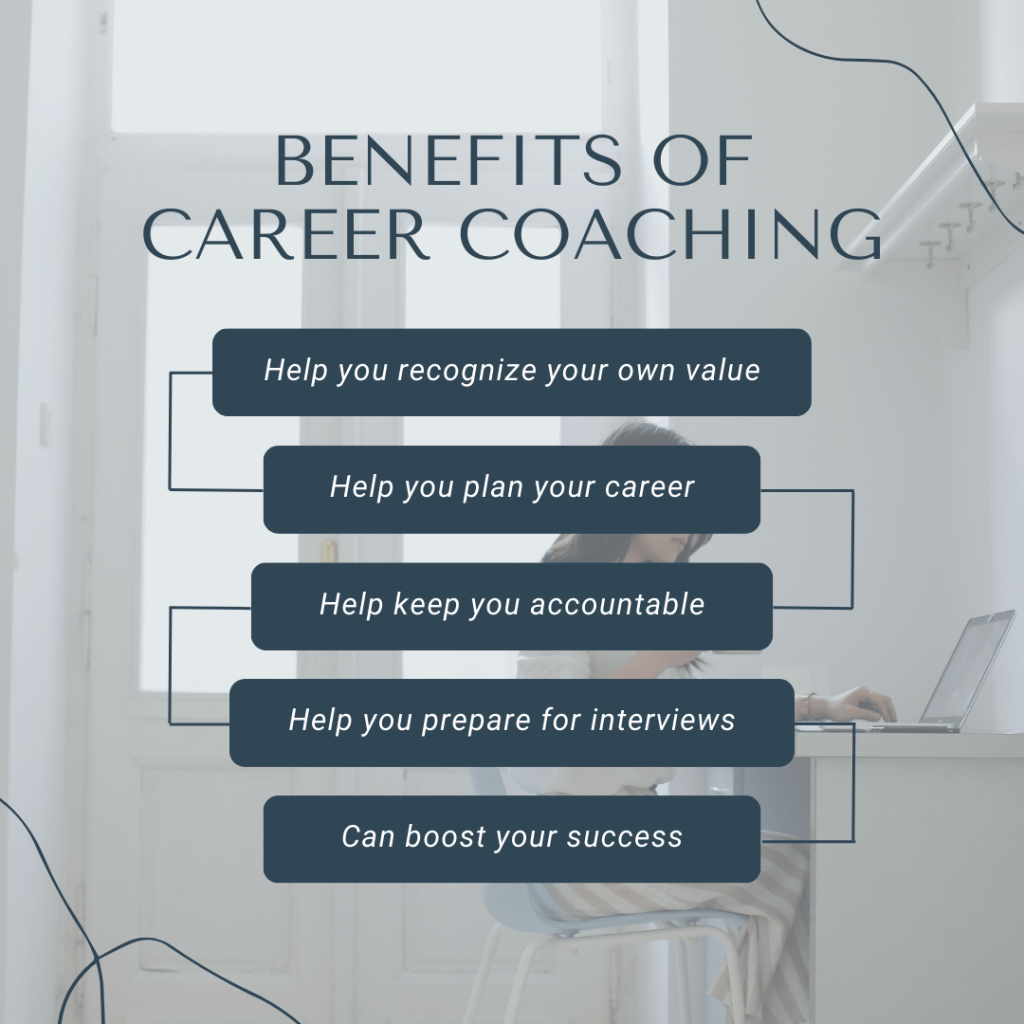
As the client it is up to you to work on the goals, keeping in mind that the coach is there to guide you and encourage you. They will not complete the work for you but can be a great sounding board. Coaching may also help you to discover resources that you can use in achieving your goals. For example, a career coach may have access to websites and tools that will help you look up information on a career path you are interested in pursuing. The key thing to remember when working with a coach is that as the client you have to keep going and collaborating with your coach to get the most out of your experience.  

Once you have worked with your coach for a few sessions, you should begin to feel more motivated, while seeing progress in your aspirations. If something isn’t working for you during the coaching process, then let your coach know. Remember it is your journey, the coach is there to support you, when helping you to stay motivated.

Have more questions about how career coaching can help you? Reach out to me on our contact page on Instagram @BlissPlusYou.

How to Find the Right Coach

Coaching is popular these days. You can find coaches on everything from career coaching to nutrition coaching. As a coach, I tend to see a lot of advertising for coaching and in this advertising, there are many promises that coaching offers. But how reputable are these offers and how do you choose a coach who is right for you?

Defining What Coaching Is

A coach is not a therapist nor an advice giver. The job of a coach is to help you take the steps to determine your outcome. Coaches help to guide you through your journey and will not make decisions for you. Going through the coaching process is having someone to bounce and discuss ideas with, to gain insight into your endeavours. When hiring a coach, take a look at what their expertise is, where they specialize, and customer testimonials, and don’t be afraid to ask them questions about their strategy of coaching and the methods they use when coaching. The main thing to remember is when working with a coach you will ultimately determine the track you want to take and they will help guide you through the process of goal setting, execution, planning, etc.

Finding a Coach

Social media seems to be the place (Instagram and Facebook) where many coaches advertise their services. A simple Google search can also turn up several coaches. Networking and groups on Facebook are also places where you can find coaches. Often posting on a self-help group that you are looking for a coach will turn up results of people reaching out to you with their coaching services. This is a good way to make direct contact with potential coaches and see their website and communication style. When researching a coach first see where they specialize.  Some coaches specialize in unique niche areas such as spirituality or in specific types of business or professions. There might be a coach out there for you that you didn’t even know existed!

Each coach should be able to explain to you how they can help, after listening to your story and needs. Many coaches will have blogs where they write about aspects of their expertise and other related topics. Another strategy you can use is to interview the coach, or as many coaches as you feel you would need to talk to get an idea of their communication skills and how well you and the coach will fit together when collaborating toward your goals.

Starting the Coaching Relationship

When you first begin with a coach, they will typically start the relationship by telling you what they can help you with, in addition to discussing your goal for coaching and the goals that you want to achieve. Keep in mind that just after one session you will likely have your goals and story shared and possibly some formatting towards your goals set. You may walk away from the session with goals that you are going to start to work on. Typically, the goal will be broken down into chunks that you can achieve during your time in between sessions.

As the client it is up to you to work on the goals, keeping in mind that the coach is there to guide you and encourage you. They will not complete the work for you but can be a great sounding board. Coaching may also help you to discover resources that you can use in achieving your goals. For example, a career coach may have access to websites and tools that will help you look up information on a career path you are interested in pursuing. The key thing to remember when working with a coach is that as the client you have to keep going and collaborating with your coach to get the most out of your experience.  

Once you have worked with your coach for a few sessions, you should begin to feel more motivated, while seeing progress in your aspirations. If something isn’t working for you during the coaching process, then let your coach know. Remember it is your journey, the coach is there to support you, when helping you to stay motivated.

Have more questions about how career coaching can help you? Reach out to me on our contact page on Instagram @BlissPlusYou.

On Slowing Down

Hustle, do more, accomplish more. You will be better, have more likes, and will look more successful.

Hustle culture, work until you drop, and burning the candle at both ends is an epidemic in today’s world. It has been ingrained into our culture that more and faster is better. We should be getting up at 5 am for those intense workouts, and we should be working all hours of the day to keep up, show up, and be the most successful-looking one in the room.

But what if it doesn’t have to be that way?

Part of wellness is slowing down and taking time to get to know who you are as a person. Success should be a personal refinement of what you as a person think is success for yourself and not what other people say it should be.

If success for you is working in a job you love for 20 years, or becoming a best-selling author, it doesn’t mean that one is better than the other. It just means that everyone lives at their own pace and different situations work for different people.

Many people today feel overworked, tired, and spread thin. This is commonly due to too much being put on their plate and not knowing when to say no to extra projects and activities.

How do you know when it is time to cut back or slow down?

  • When you find that you can’t focus on one project, or you are doing too many things that are not to your best ability.
  • You are constantly drained or feel burnt-out, or like there is no purpose in your work.
  • You are late on deadlines, can’t keep up with your work, or simply have lost interest in your work due to too many commitments.
  • Your physical and mental health suffer.

How to cut back without burning bridges or defaulting on relationships

  • Explain your situation to your colleagues or managers about why and how you are struggling to commit to the workload you carry. This is especially important when it comes to volunteer roles. While volunteering is vital for a healthy society and are great resume builders, it can become demanding in your commitments. Make sure you cut back with grace and an explanation of why you cannot continue or need to cut back.
  • Suggest a replacement for your role or project of someone you know who would be interested in the opportunity and introduce them to the team. This can save on having to look for another person.
  • Exit with grace. If you find yourself in a situation where you must exit with little notice, give as much notice as you can and ensure that all loose ends are tied up at the end so that the team can pick up where you left off.

Slowing down is important for your mental and physical health. Stress can cause several health conditions. This is why it is important to keep tabs on what you are doing and evaluate projects outside of your main scope of work before you take them on. Always consider how it fits in with your life, how much benefit it is for them and you to be on the team that is asking for your help.

Overall, not over cluttering your life can lead to a higher quality of life and better quality of work. Want to talk about strategies for how you can declutter your life? Or just slow down in general? Contact me on the Contact Us page to chat further!

Managing Your Professional Image

In the professional world, we always want to put our best foot forward. That can range from looking the part to obtaining knowledge and credentials – but it typically comes down to personal preferences and the unique needs of your situation.

Managing your image as a professional should be something that goes without saying, however, there are always things you can add to your planning and etiquette that can help you to come across as a courteous individual who cares about the people you interact with both professionally and personally.

 Let’s take a look at a few of the ways you can upgrade your professional image

Dress for the occasion. Before attending an event think about who you will be meeting, what type of industry it is, and what you are looking to achieve. Always plan to look presentable, however, how you dress and what style you choose to wear can depend on the type of function you are attending. For example, if you are attending a fashion show or something related what you wear to this event would differ from what you would wear to a seminar for fields such as engineering or human resources. While this is just one example, there are so many scenarios that you can think about. The point is to do your research on the industry and dress accordingly.

Good first impressions. Networking and attending professional events means that you will be meeting new people. Meeting new people means that you can build new relationships. But of course, you will want to start on the right foot. When meeting new people show an interest in them, give a firm and non-sloppy handshake, and make eye contact! People love to answer questions about what they are up to and projects they are working on so ask questions and get to know the other person. Remember not to overtake the conversation and give others a chance to speak. Balanced and intriguing conversations will help people to remember who you are which can lead to productive relationship building and furthered business opportunities. Remember to go in with the attitude of how you can be of service to others, not just how they can help you.

Clean up online content.  Cleaning up your online content is super important. Google yourself and see what kind of content comes up first. Because others who meet you and employers will search you on Google, Facebook, and other social media platforms. Take down pictures and posts that you can control and remember to think before you post. Once it is online it may be hard to take that content down!

Polishing up your professional image is an important step that you can take to improve your perception of yourself, and build self-confidence while helping others to get to know who you are as a person. Always work to ensure that you are being authentic in who you are and that you are acting in a manner that is in line with your values. Professional images are not just about putting a face out there, but rather showing others who you are, while showing what you can offer as a professional.

Want to follow me on social media? Check me out on social media @BlissPlusYou. Want to talk further? Contact me on our Contact Us page!

How strong problem-solving skills can up your career strategy

Do you know how good your problem-solving skills are?

Are you always looking for ways to improve your problem-solving skills or become more efficient?

Having strong problem-solving skill tools in your life can immensely improve your overall career, and ability to advance your environment, while allowing you to see the changes that having strong problem-solving skills can have.

The main definition of problem-solving is the ability to analyze and put into action a solution to overcome or improve the situation.

When you use problem-solving abilities you are exercising important skills such as analytical thinking, communication, efficiency, and more. No matter what role you are in, you will need to know how to effectively solve problems.

While there are many guides and suggestions to complete effective problem-solving – let’s look at a simple three-step process to help you solve problems in the workplace effectively.

Step 1

Have the right mindset. If you just find out about a problem and you are upset and experiencing different emotions, the best thing to do is to take a step back and collect your thoughts. Once you have a chance to clear your mind come back to the problem and analyze it.

Step 2

Identify the challenge. Think about where it is coming from, what or who is involved, and data that you will need to collect. Start gathering information and begin the process of thinking about how you can begin to solve the problem. This could be from people you need to contact, documents you need to collect, and more.

Step 3

After you have gone through the process of gathering information you can now stop and think about your course of action and possible outcomes for each path. Always take the time to evaluate potential outcomes and solutions. Discuss your position with others who have been in your situation, people who are knowledgeable about the subject at hand, and then evaluate which course of action you would like to pursue.

Overall, always ensure that you are understanding your problem-solving strategies effectively. Ensure that you know both sides of the story, have done your research, know your options, and execute a solution that will be the most effective. Problem-solving doesn’t have to be hard, but having a plan to deal with issues as they arise can significantly help to reduce stress and can lead to clearer outcomes.

How to Use Leadership to Advance in Your Career

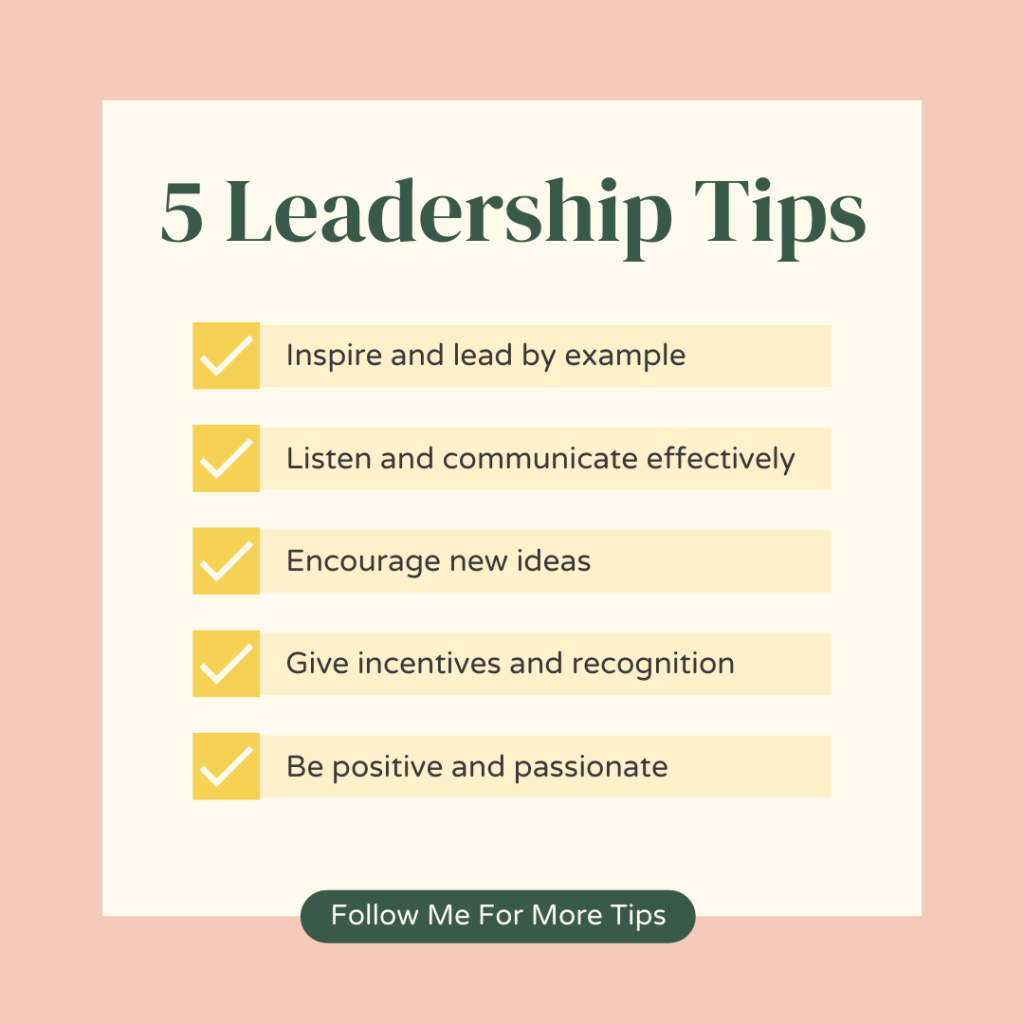
Advancing your career where leadership is regarded can be a very important skill set that can advance you into new aspects of your career. Leadership can help you to improve your performance, help you to learn new skills while improving your creativity, emotional intelligence, collaboration, and more. Not only are these skills good in the workplace, but they can also help you improve your life outside of your career, such as improving your communication with family and friends and organizing your life in a more meaningful manner.

When you take on a leadership role it does not mean that you become the leader that tells everyone what to do (while guidance is a part of the role). Rather, it means that you work collaboratively with your subordinates, get to understand people, and mention/coach others to grow in their careers as well. Building your career as a leader can also help you to promote the skills that you are the strongest at while allowing others to know what you are an expert in.   

Let’s take a look at some of the best traits of great leaders:

  1. Emotional Intelligence – When you practice good emotional intelligence it is a matter of your views both intra/interpersonally. Emotional intelligence gives a person the ability to be motivating of themselves and others, in addition to understanding what you say and do and the impacts it has on other people. When you work to increase your emotional intelligence you can demonstrate your genuine self while trying to listen and responding in a more personal way to what people have to say.
  2. Innovative and Strategic Leadership – When you demonstrate innovative and strategic leadership you tend to work collaboratively with your team and take into account what they have to offer. As a leader, you would work to understand their situation and suggestions/ideas while finding a way to bring their best ideas into the workplace or team to make things run smoother. Strategic leaders also work to delegate tasks to employees who have the right skill sets to work in different aspects of the company. Leaders are always examining what is going on in the business world around them, especially now that we live in such a fast-paced world where things are constantly changing. By examining changes in your industry, the world of business, or the world in general you will be able to build a team that can meet the demands of your company while building up resilience, even in the face of dramatic changes.
  3. Being Self-Aware – You have to get to know yourself and understand where you can improve and where you have talent. Work with others and find out where you need to improve. For example, if you need to improve your communication skills, or be more organized set up systems to help you achieve those goals, especially in aspects of communication – just simply practicing active listening can greatly improve your communication. Also, engaging in consistent personal development can help to make you more self-aware and can open your eyes to aspects of improvement or areas that you do well in.

Leadership and personal development go hand in hand. You want to make sure that if you are trying to be a more effective leader you are actively engaging in self-improvement while celebrating areas you already do well in. Be engaging, stay positive, and actively interested in others and you will see an improvement in your leadership growth.  

Want more information on leadership and personal development? Connect with me on Instagram @BlissPlusYou or via the contact page on this website.

Give Your Life a Boost with Personal Development

Getting started on personal development can be daunting with so many books available, courses to take, and people to follow. Personal development is often better attained when you have a single focus to think about and work your way up from there. Everyone has things about themselves that they want to work on whether it is their weight, confidence, public speaking, or presentation skills.

The thing about working on self-improvement is that you will discover things about yourself along the way. You may realize that you do have some of the attributes needed already to get that job or to take on a new opportunity. When starting personal development give yourself room to heal, hold space, and continue on your journey once you have learned something.

There are small things you can do such as picking up a book about a personal development topic that interests you. Whether it is about meditation, finance, exercise, or something else, start by picking up one book that interests you rather than several. Pick books from the library in case a book you choose doesn’t resonate with you so you can just return it and select another one. The key here is to allow yourself flexibility and a chance to resonate with what content you are consuming.

Let’s look at three ways you can boost and move along in your personal development journey:

  1. Have a space in your home – If you have a spare room in your home this is the perfect opportunity to change the room into something inspiring. Make the room one you can both work and lounge in.  A space for reading, working, exercise, or whatever makes you feel good. Decorate the room with things you find beautiful, relaxing, and inspiring. Ensure that it is comfortable and is somewhere you will want to spend time in. In this space ensure that you do activities that will help to move you forward in your journey. I use my room to exercise, meditate, read, and work on my writing. It is also a great space to hold meetings online due to the relaxation it brings. I can focus, without any distractions in a space that is completely me.   
  2. Give yourself more time – Giving yourself more time is something we need. Unlike money, time is the one currency that we all have the same amount of. This is where waking up early comes in. Waking up early, especially in the summer when the air is still cool will allow you to get in some time for activities that fill you up. This doesn’t mean that you have to get up at 5 a.m. everyday. But it does mean that getting up an hour earlier will allow you to feel more organized and content in your daily life. Before you get up early, plan out what you will do the next morning with your time. Things like reading, meditation, exercise, and completing small tasks and chores are all great ways to start your day. 
  3. Write a letter to yourself in the future – As crazy as it sounds writing a letter to your future self is a great way to document your future aspirations and goals. You will also have a better chance of achieving them. One personal example of this would be when I created my online career portfolio, I had a list of five things that I desperately wanted to achieve. A few years later when I was showing the portfolio to someone as an example, I realized during the conversation that I had achieved those goals within a timespan of two years! Writing a letter to your future self is a great way to get things moving and will get you started and motivated for future endeavors.  

Creating time for yourself and your dreams, setting goals, and envisioning yourself achieving these goals are part of the first steps to utilizing personal development to help enhance your life. Personal development is a process that does not happen overnight or by taking a magical course over a few weeks! While these can be a great start to get you organized and motivated, as individuals we need to take the time to get to know ourselves on a deeper level through self-discovery and exploration. While there is more to personal development than is noted in this blog article, it is important to remember to take time for yourself, clearly mark out what you want in life, and begin to set goals to get to where you want to be.

Interested in discussing more about career or personal development? Connect with me on Instagram @BlissPlusYou or via the contact page on this website.

How Taking Advantage of Time Management Can Help Your Career

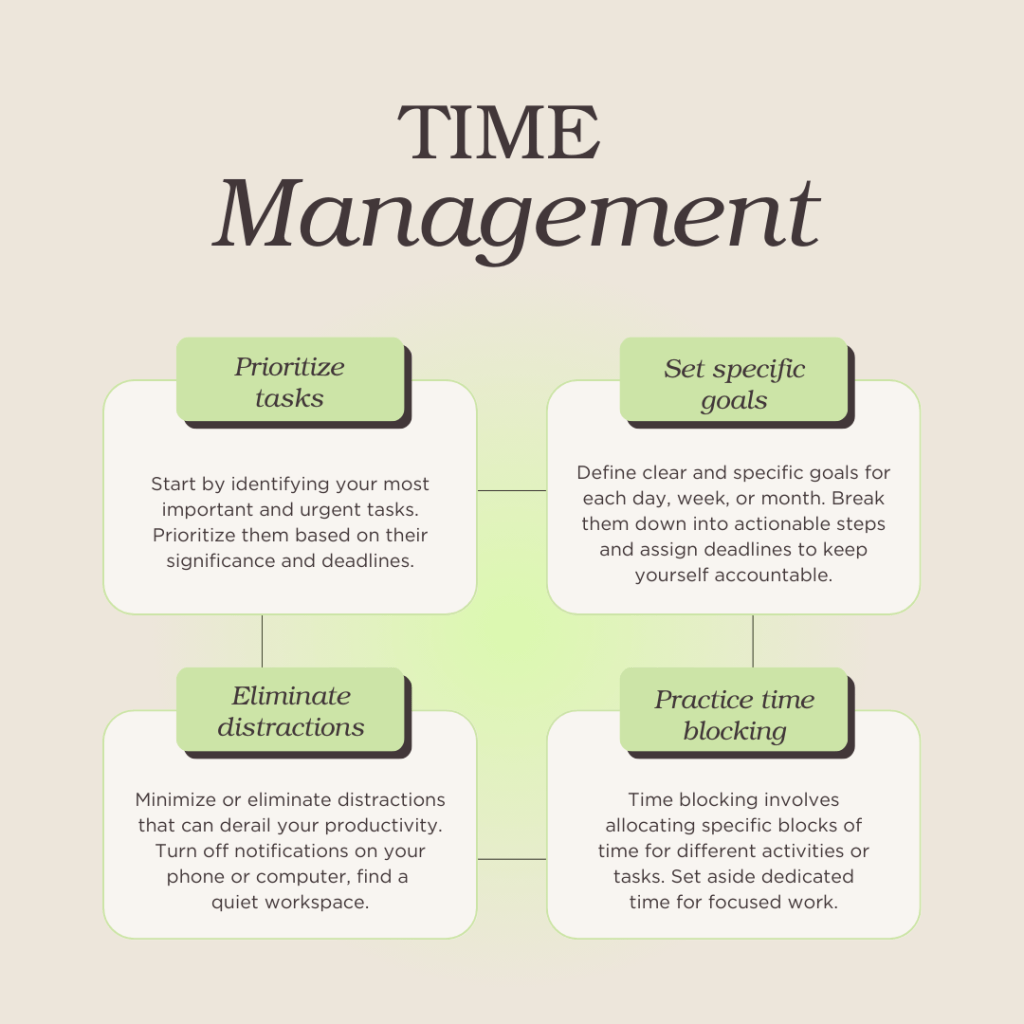
We all get the same currency when it comes to time. There are 24 hours in a day and no one gets more and no one gets less. How you divide up your time between work, leisure, rest, and responsibilities can set you apart from others when it comes to managing your career and life. There are many tools available today that can help you to manage your career. These tools can help you to track appointments and meetings, along with your to-do list.

Effective time management and motivation go hand in hand and can help you to succeed in the workplace or fail. It can help with your overall output and quality of work. Some of the ways it can help you are by avoiding doing just enough work to get by, it can help to alleviate stress, it can help you to take advantage of opportunities, and can help you make more informed decisions.

Let’s take a look at some of the best ways to manage your time effectively:

Wake up early – Waking up early can help to set the tone for the day. It can allow you to have some time in the morning to complete tasks or to venture out into your morning routine. In the early hours of the morning, it is often quiet because most people are still sleeping. Because of this, you can be productive and complete tasks like responding to emails, writing, and whatever else needs to be done without many interruptions. It will also make you feel like you have accomplished something early on so you will have more confidence throughout the day. Wouldn’t it be nice to feel like that every day?

Set a weekly and daily priority list – Before the week even begins set out a list of everything you have to do. Just do a brain dump onto a piece of paper. Once you have everything decide what days to complete them on and number them in priority. This will give you something to check off each day while ensuring that you get things done.

Learn to say no – Learning to say no is a very important skill that we all need to learn. While some have mastered it, many still struggle to say no. It is better to do a little bit and do it well than to take on too much and not do it well. Keep in mind that saying no to something does not make you unreliable or rude, it just means that you are taking care of yourself and are making priorities for things that are a better use of your time. Sometimes there are times when you can’t say no like job-related activities, but extracurricular events and tasks you can say no to.

Schedule out everything – When setting up your week either in an electronic method or in a physical agenda set up time blocks. Think that you need 2 hours to write an article? Then set aside the 2 hours and if you finish a little early move on to the next task or take a small break. When it comes to the little everyday tasks like email and phone calls, also schedule time for those as well. Make it a habit not to check your email every 5 minutes. Let the call go to voicemail unless it is urgent. This way you will be more engaged with your tasks and will produce quality work.

Incorporating these small ideas into your daily routine can help you to be more productive while producing quality work. Others around you will also appreciate the fact that you are more engaged when speaking with them because you aren’t distracted by other things on your mind. Simply set the schedule and follow through on your tasks. Always allow for flexibility because things can change.

Interested in learning more about careers and wellness? Follow me on Instagram @BlissPlusYou or via the contact page of this website.

How to Manage Mental Health in the Workplace

Mental health in the workplace is a topic a lot of professionals are discussing in today’s world of work. More and more employees are expressing that they feel stressed out at work. Having high-stress levels in the workplace can also lead to a decline in your health, stressed-out relationships, lower productivity, and more. When you are facing stress in the workplace it is important to remember to talk it out and implement solutions that help you cope and overcome what is bothering you. 

Let’s look at a few of the ways you can work to improve your mental health in the workplace:

Know what stresses you out – Understanding your triggers or what stresses you out can help you in the long term to understand what stressors are and how to deal with them. Ask yourself what is upsetting you in your work. Is it a lack of resources and support? Not building relationships at work? A high workload? Once you determine what it is that is stressing you out you will be able to start to work on that stressor.

For example, if you are lonely at work and are having a hard time getting to know others in your workplace then take the time to start step by step by getting to know others. Try saying hi to a new person each day and have one small conversation per day with your coworkers. Slowly, over time you will be able to get to know that person and build a working relationship. This could make the workplace feel more inclusive.

Self-care – Taking care of yourself and exercising are all important, and you must be intentional about these practices. There have been studies conducted on how regular movement and exercise help the brain to deal with stress more effectively. So, try to get some workouts into your week that get your heart rate up!

Another thing is regular self-care, like some alone time, meditation, eating well, and seeking out help when you need it. Doing activities that fill you up is important when it comes to self-care, rather than doing things that drag you down. Also, do not be afraid to say no when you need to.   

See what the workplace offers – Most companies now offer their employees an Employee Assistance Plan (EAP). These programs are confidential and free of cost and usually offer counseling, coaching, and other services.

Help others in need – As it stands our workloads are already high and are getting bigger. But sometimes thinking about others and helping them in their time of need can be useful as well. Helping others can give you a sense of accomplishment, which has many benefits for us as individuals.

When it comes to helping others, it doesn’t mean that you have to take on their workload, but it can mean that simply listening to them vent in their time of need or having someone to bounce ideas off of can be beneficial. Not only does it help to build relationships, but it also shows you that you are not the only one with obstacles at the current moment. 

The workplace is ever-changing from going 100% remote, and perhaps back to the workplace part or full-time. These are adjustments that as a society we have been dealing with. With the pandemic basically behind us and the world of work going from a traditional place to a more tech-reliant workspace we must understand how to deal with the changes in our lives. Taking out time to be gentle with yourself, while implementing self-care practices can help to rebalance your work and life.

Making Networking Easier and More Productive

Networking is beneficial for your career, but it is also an activity that most people are not comfortable with. Networking doesn’t always seem to work in the beginning because you are starting to work on building relationships. Since networking is primarily relationship building it is important to realize that the benefits could happen months or years down the road. The main thing in networking is to see where you can be of help to others and not how they can benefit you. If the relationship becomes collaborative then it can eventually lead to job offers, speaking engagements, and different exciting opportunities.

I have built my career over the past several years. I started networking in 2009 when I was still in university. During my early years of running my coaching practice, I landed some speaking engagements at universities and colleges along with a few job offers as of recent. Good networking needs to be consistent, nourished, kind, and collaborative.

Making a good first impression

When you first meet someone, they typically make a judgment about you quickly. When networking it is important to dress the part, make eye contact, smile, and pursue an engaging conversation with the other person. Being engaging means asking people questions about themselves while listening to what they have to say. Typically, if you talk to others about their interests, career, etc. they will ask you similar questions.

Another aspect you will want to watch is your body language. How you carry yourself, including your facial expressions will give people a chance to make an overall first impression of you. You want to make sure that you are sending off an appropriate image of who you are as a person, rather than a view of who you are not. Another aspect that should go without saying is to have a firm handshake. If you have a firm handshake it shows confidence. Also, choose what you have to say carefully. Remember people will be meeting you for the first time so you want to make sure that you come across as polite, trustworthy, confident, etc. 

Different types of networking sessions

Networking doesn’t always mean walking awkwardly into a room filled with other people milling around trying to hand out as many business cards as possible. There are different types of networking opportunities that you can join depending on how adventurous you plan to be.

Networking can include lectures, open networking, seminars, classes, tradeshows, conferences, and more. When it comes to lectures, classes, seminars, and the like these are typically situations where you could be sitting at a table with other individuals that you might not have met before. During these situations, you can take the time to chat with the people at your table and get to know them, exchange business cards and keep in touch (more on keeping in touch below).

When it comes to situations like conferences, tradeshows, and open networking sessions, people often go to these events with the intent to meet new people and make connections. These can be some of the more challenging situations as well. The key is to go to these networking sessions with a plan of who you will want to meet and why you want to meet them. Sometimes at tradeshows or open networking sessions, you will know who will have booths beforehand, so you will be able to decide who you want to meet and why. Come up with questions or conversation points to have with these individuals when you meet them.

Building relationships

Networking should go further than just the initial conversation. When you are networking make sure that you get permission to add the person to LinkedIn and if it is okay if you contact them further after the initial meeting. When you follow up, don’t just simply add the person to LinkedIn and call it a day. Send them a note stating that you enjoyed meeting with them, what you enjoyed about your conversation with them, and if you are comfortable ask them to meet for coffee at some point.

How can you help them? Always make it a point to see how you can be of help to each other. Once you get to know your new connection a little better, feel free to connect them with other people in your network in areas where they might need help. When it comes to networking people will remember kindness and will usually return the favor when you are in need.

One thing to remember is that when networking it is about the quality of the conversations you have not the quantity. It is not a race to get out as many business cards as you can, but more about the types of connections you make and how they can be of benefit to each person you meet. When networking try to get out there and have fun. You never know who your next connection could be!

Looking for more practical information on networking and career building? Connect with me on Instagram @BlissPlusYou or via the contact page on this website!