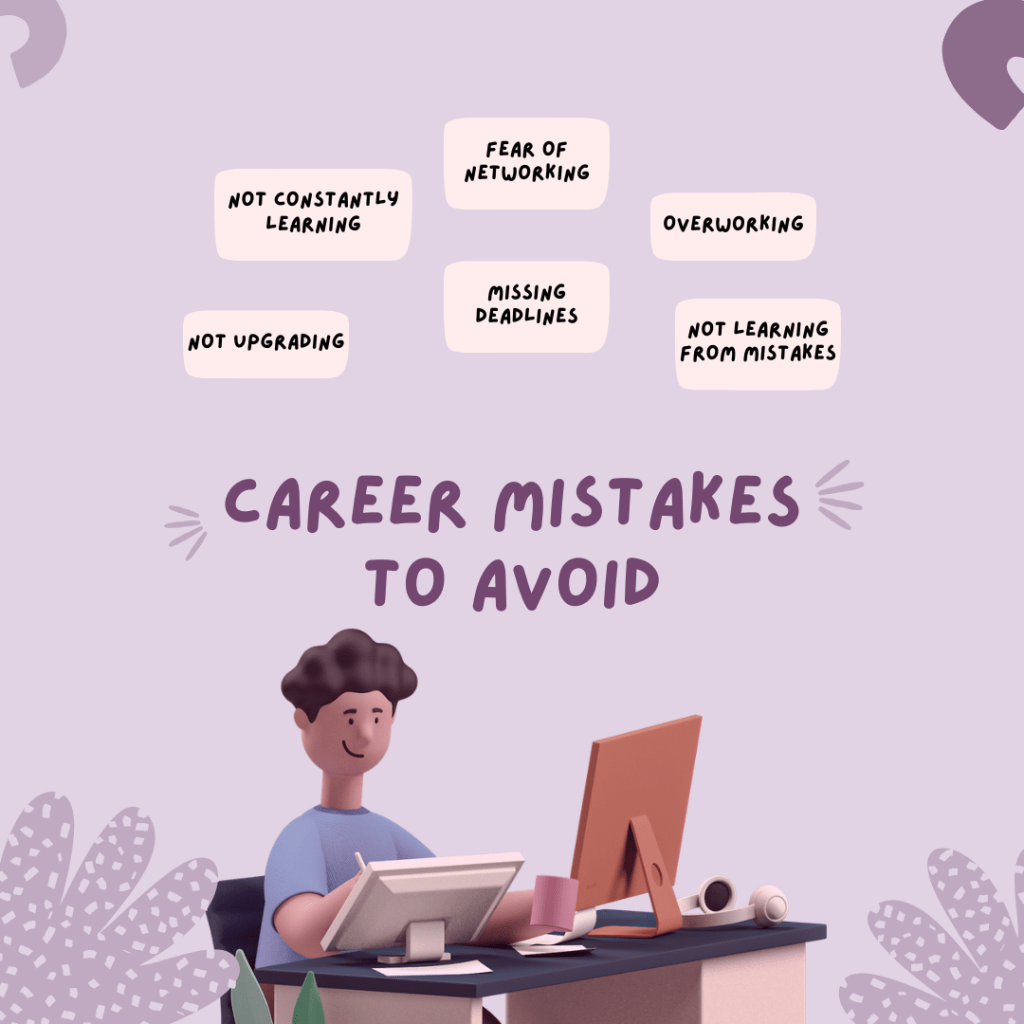
Change is one of the few constants in today’s world of work. Whether it’s moving into a new industry, taking on a different role, or stepping back into the workforce after time away, career transitions can feel both exciting and overwhelming. If you are considering a change, know that you’re not alone—many professionals will experience multiple transitions over the course of their careers.
While the path may feel uncertain, career transitions are opportunities for growth, reflection, and reinvention. Here are some strategies to help you navigate the process with confidence.
1. Reflect on Your “Why”
Before making any move, pause to reflect on what’s driving the desire for change. Are you seeking more fulfillment, flexibility, stability, or growth? Understanding your motivation provides clarity and helps you choose opportunities aligned with your values and long-term goals.
Tip: Write down three non-negotiables for your next role. These can serve as your compass during the job search.
2. Identify Transferable Skills
Many people worry about “starting over” when they change careers. The truth is, you’re bringing a wealth of transferable skills with you—communication, leadership, problem-solving, and adaptability are valuable in almost any industry.
Tip: When updating your résumé or LinkedIn profile, frame your experiences in terms of these transferable strengths. Employers want to see how your skills can add value in their environment.
3. Bridge the Gaps
Sometimes a career change requires building new skills. Whether through online courses, certifications, or volunteer opportunities, investing in yourself can make you more competitive and confident as you enter a new field.
Tip: Even small steps—like taking a short course or attending an industry webinar—show initiative and help you speak the language of your desired field.
4. Leverage Your Network
Networking is one of the most powerful tools during a transition. Reach out to former colleagues, mentors, or professional associations. Often, opportunities come from conversations rather than job boards.
Tip: Don’t just ask for jobs—ask for advice, insights, and introductions. People are often more willing to help than we expect.
5. Practice Patience and Persistence
Transitions rarely happen overnight. It may take time, trial, and even rejection before the right opportunity comes along. Patience paired with persistence is key. Every step you take—updating your résumé, applying for roles, having conversations—moves you closer to your goal.
Tip: Celebrate small wins along the way, whether that’s landing an informational interview, getting positive feedback, or learning a new skill.
Embracing the Journey
A career transition can feel daunting, but it’s also a chance to design a future that reflects who you are and who you want to become. Remember: your career is not a straight line. Each shift adds depth, resilience, and experience that will serve you in the long run.
The question isn’t “Am I ready?”—it’s “Am I willing to take the first step?”
 Bliss + You