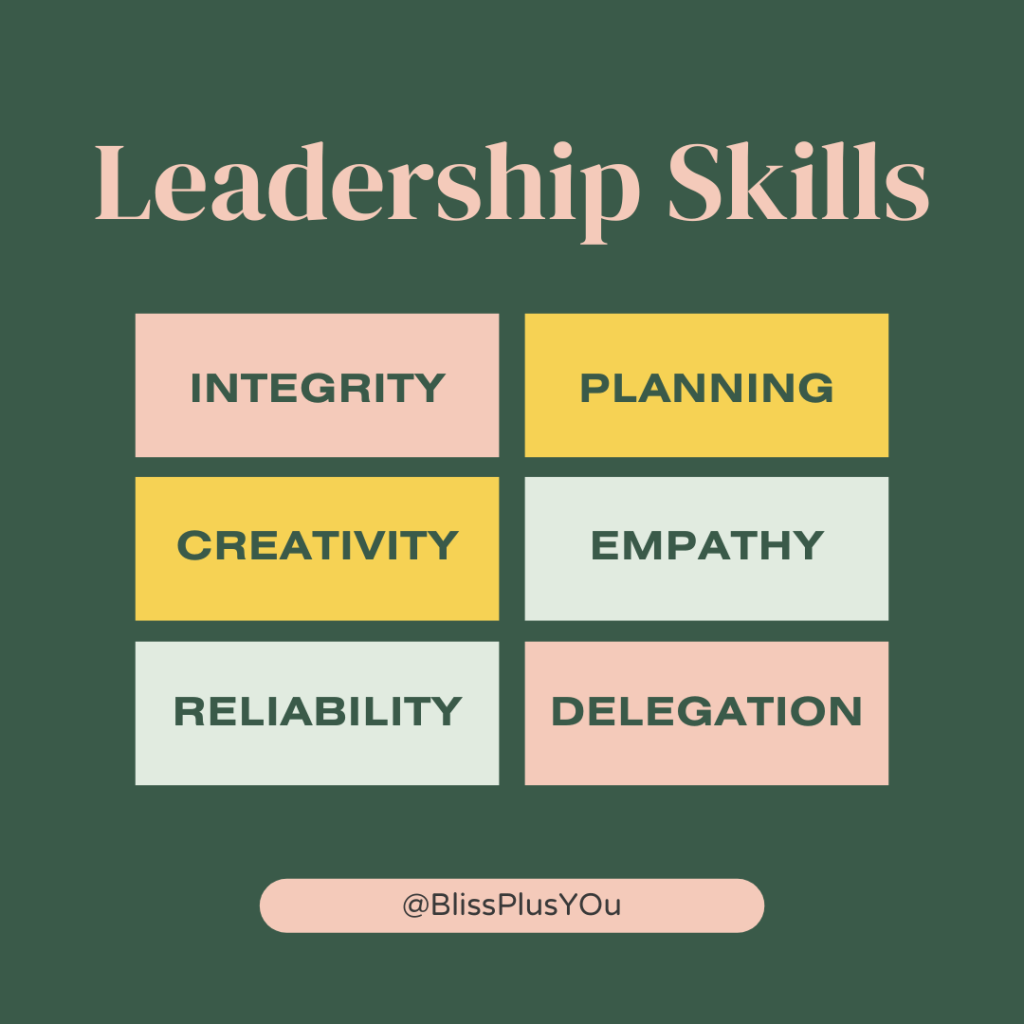
Leadership is a skill that is very important to develop in today’s competitive job market. Do you often think to yourself what can I do to improve my leadership in life and work? When you have been set in a position that requires you to lead others through their career, sports, or just in life you must use skills like communication, coaching, listening, accountability, and delegation, among many more to effectively engage others, while earning their trust.
What makes a good leader?
Strong leaders are often able to engage others in a motivating manner while helping them to succeed and reach their goals. They can take feedback as a learning opportunity to not only improve their performance but to also help improve the performance of their subordinates as well.
Leaders should listen to others and help the people they support to build strong careers or plans of action that are executable and easy to understand. Leaders should strive to be inspiring and be a place of support in a workforce that is constantly changing in today’s world of work.
Top leadership skills
- Committed
As a leader, you need to demonstrate commitment to your work. This means following through with what you promise to do. Showing dedication and excellence in your work is important. Setting the stage of commitment shows a strong work ethic, which when demonstrated will usually trickle down to your employees. This does not mean working endless hours, but it does mean going the extra mile when you need to and showing your employees that you will support them when they need assistance in the workplace.
- Communication
Strong communication skills are needed in every role, from working in a restaurant to taking a customer’s order to working as a manager in a corporate office. In addition to this listening to what people are telling you, not finishing sentences, or dismissing what people are saying to you are all essential in the workplace. You should strive to be clear while explaining things to your employees in aspects of policies, daily tasks, and anything else related to the organization you work in. When an employee comes to you with a concern, you should listen to them and hold space for them to be heard. This can help to build stronger relationships in the office while increasing collaboration and teamwork. In addition to this, you should be clear in all forms of communication from emails and phone calls to in-person communication.
- Delegation
Never take on too much. As humans, if we try to be a jack of all trades we will end up not being good at anything and will likely make more mistakes along the way. Many people are worried that if they delegate too much they will look like they are not good at their job. However the opposite is true, if you focus on the main aspects of your job and delegate the tasks that others can do then you will end up with a stronger team. Everyone will feel better knowing that they have contributed to an overall project as a team. Before delegating tasks, select employees that will be the strongest in the tasks that need to be done, then assign the task to them.
- Inspiring and Creative
With the way the workforce is changing often having an inspiring manager is like a breath of fresh air to many employees. Being inspired and adding creativity to your work can keep the mundane tasks interesting while keeping your team interested in knowing what is going to happen next. A positive environment will keep things interesting and can also help to improve employee retention if people feel good about going into the office each day. Think of unconventional ways to keep projects interesting, reach out to customers that you might not normally think to get business from, and hold brainstorming sessions where you get input from your employees to make a project better or to expand on them.
- Motivation
Motivation in the workplace is more than just a games room and a high salary (although both are nice). It is also about allowing your employees to make decisions and use their judgment in some matters, autonomy, asking and implementing employee interests, making a productive but not overly stressful work environment, team building, and more. Employees want to feel engaged in the workplace. On the point of not overly stressful workplaces – the reference here is that all jobs come with some form of stress. Work should be challenging because it helps us grow, but it should not be so stressful that it takes over your life and affects your health and well-being. Also, helping employees to be confident in their work and selves is a strong motivator in the workplace.
Looking for more information on workplace wellness? Check out other blogs on my website, contact me via the contact page, or connect with me on Instagram @BlissPlusYou.
 Bliss + You